First Symptoms Of Lung Cancer In Dogs / Canine Lymphoma Risk Factors Symptoms Diagnosis And Treatment Whole Dog Journal - According to an article published by the north carolina state university college of veterinary medicine, half of all dogs over 10 years of age will develop some form of cancer, and 25 percent of dogs will die from it.
Dapatkan link
Facebook
X
Pinterest
Email
Aplikasi Lainnya
First Symptoms Of Lung Cancer In Dogs / Canine Lymphoma Risk Factors Symptoms Diagnosis And Treatment Whole Dog Journal - According to an article published by the north carolina state university college of veterinary medicine, half of all dogs over 10 years of age will develop some form of cancer, and 25 percent of dogs will die from it.. Metastatic cancer to the lungs is much more common than primary lung cancer. Currently this type of cancer accounts for less than 1% of all canine cancers, so it is considered relatively uncommon. Occasionally, small amounts of blood may be coughed up. Cancer of the lungs is a progressive disease, meaning it gets worse over time. This is a malignant neoplasm, with the ability to grow rapidly and metastasize to distant parts of the body, including the organs, lymph nodes, bones, brain and eyes.
Symptoms and signs of cancer in dogs. Since lung cancer affects the respiratory system in our furry friends, most of the symptoms of this disease will reflect that. Collapsing, weakness, and general lethargy (not greeting people at the door like usual or less interaction) are common signs of cancer, says jake. Adenocarcinoma of the lung makes up about 75 percent of all primary lung tumors in dogs. The most common signs in dogs include coughing, weight loss, lethargy, and labored breathing.
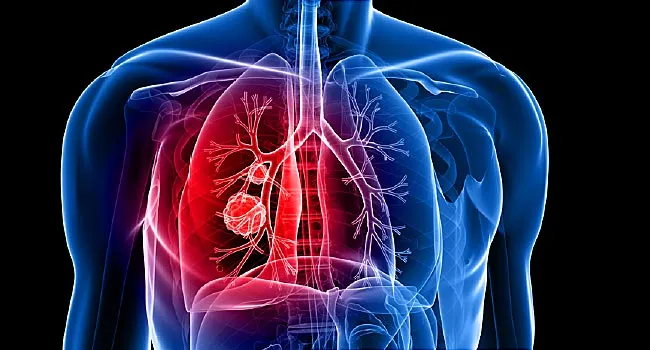
Surprising Lung Cancer Symptoms from img.webmd.com Some of the most common signs of lung cancer include: The dog may cough up blood, but not mucus. Signs of cancer in dogs may vary greatly depending upon a number of factors. The first is primary lung cancer, which is where a tumor originates in your dog's lung or lungs. Collapsing, as well as weakness and lethargy, are common signs of cancer. Metastatic cancer to the lungs is much more common than primary lung cancer. Common signs of canine lung cancer can include: Even advanced stages of dog lung cancer exhibit highly non specific symptoms such as cough, anorexia (appetite loss), tiredness, weight loss etc.
Lung tumors have moderate to high potential for metastasis (spreading).
A cough that won't quit or changes. Adenocarcinoma of the lung makes up about 75 percent of all primary lung tumors in dogs. Adenocarcinoma of the lung in dogs. This form of dog cancer is largely preventable with neutering, and curable with surgery if arrested early in the disease process. Since dogs usually show only mild warning signs, cases of hemangiosarcoma may not be detected until the cancer has reached an advanced stage. The protocol will often differ based on the symptoms your dog presents with. The dog is not coughing up mucus) although the cough may produce small amounts of phlegm or blood. Cancer of the lungs is a progressive disease, meaning it gets worse over time. Currently this type of cancer accounts for less than 1% of all canine cancers, so it is considered relatively uncommon. The first is primary lung cancer, which is where a tumor originates in your dog's lung or lungs. Incurable and persistent cough might help indicate the presence of the disease, but unfortunately, an affected dog does not show any signs of cancer until it metastasizes (spreads). If your dog collapses, get to the vet immediately. The most common abnormal clinical sign reported in dogs with lung cancer is chronic cough.
In canines, there are typically two main types of lung cancer. Lung tumors have moderate to high potential for metastasis (spreading). Primary lung tumors have variable signs, which depend on the location of the tumor, rate of tumor growth, and the presence of previous or current lung disease. Incurable and persistent cough might help indicate the presence of the disease, but unfortunately, an affected dog does not show any signs of cancer until it metastasizes (spreads). Dogs can have the same cancer forms as humans.
Lung Tumors Vca Animal Hospital from vcahospitals.com Collapsing, weakness, and general lethargy (not greeting people at the door like usual or less interaction) are common signs of cancer, says jake. However, some dogs only experience weight loss (despite a good appetite) and/or lack of energy. Unlike some other types of cancer, there are some concerning symptoms that arise in the earlier stages of primary lung cancer for dogs that should immediately alert you that something is wrong. Types of dog lung cancer. The protocol will often differ based on the symptoms your dog presents with. The symptoms of lung cancer in dogs are largely related to the respiratory system. Even advanced stages of dog lung cancer exhibit highly non specific symptoms such as cough, anorexia (appetite loss), tiredness, weight loss etc. During the first stage, the dog will have a tumor (most typically an adenocarcinoma), which will be small and won't affect any other organs, nearby tissues or blood vessels.
However, there are some other symptoms that lung cancer can cause in dogs if the disease has spread to other parts of the body.
Lung cancer in dogs is almost always a secondary cancer, having spread from an initial cancer location into the lungs. A cough that won't quit or changes. During the first stage, the dog will have a tumor (most typically an adenocarcinoma), which will be small and won't affect any other organs, nearby tissues or blood vessels. Unlike some other types of cancer, there are some concerning symptoms that arise in the earlier stages of primary lung cancer for dogs that should immediately alert you that something is wrong. The primary tumor might also create signs such as increased thirst, weight loss or diarrhea. Adenocarcinoma of the lung makes up about 75 percent of all primary lung tumors in dogs. Dogs can have the same cancer forms as humans. As the cancer progresses, the most common sign of canine lung cancer is a harsh, nonproductive cough (not coughing up any fluid or mucus). Dogs with pu lmonary adenocarcinoma commonly experience labored and rapid breathing, coughing and wheezing. This just means that the route of testing is usually different for each dog. However, some dogs may not present any symptoms at all. Other dogs have no symptoms at all. Some signs of cancer in dogs are easy to spot and others are not.
They are rare in both species, but slightly more common in dogs. This just means that the route of testing is usually different for each dog. Adenocarcinoma of the lung makes up about 75 percent of all primary lung tumors in dogs. A cough that won't quit or changes. The dog will present symptoms such as chronic coughing and lack of appetite.
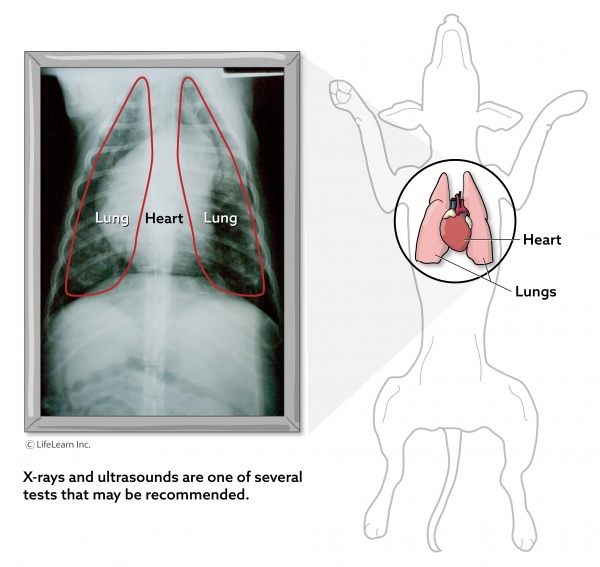
Dog Lung Cancer Symptoms To Look Out For Purchase Genuine Yunnan Baiyao For Your Dog L Yunnan Baiyao Store from cdn.shopify.com Other dogs have no symptoms at all. Early signs and symptoms of lung cancer. Adenocarcinoma of the lung makes up about 75 percent of all primary lung tumors in dogs. During the first stage, the dog will have a tumor (most typically an adenocarcinoma), which will be small and won't affect any other organs, nearby tissues or blood vessels. Be alert for coughing as one of the symptoms of lung cancer in dogs, but look for other clues. Some of the most common ways to test for cancer in dogs include: They are rare in both species, but slightly more common in dogs. Lung tumors have moderate to high potential for metastasis (spreading).
Early signs and symptoms of lung cancer.
Symptoms of primary lung tumors in dogs the symptoms of lung cancer can vary somewhat depending on where the cancer is located in the lung and how quickly the tumor or tumors are growing. Be alert for coughing as one of the symptoms of lung cancer in dogs, but look for other clues. Symptoms and signs of cancer in dogs. The dog is not coughing up mucus) although the cough may produce small amounts of phlegm or blood. This just means that the route of testing is usually different for each dog. This is a malignant neoplasm, with the ability to grow rapidly and metastasize to distant parts of the body, including the organs, lymph nodes, bones, brain and eyes. A cough associated with a cold or respiratory infection will go away in. As the cancer progresses, the most common sign of canine lung cancer is a harsh, nonproductive cough (not coughing up any fluid or mucus). Carcinomas are malignant tumors that develop from the epithelial tissues in the lungs. The most common signs in dogs include coughing, weight loss, lethargy, and labored breathing. These problems may also cause lethargy, a significantly reduced exercise tolerance and the production of blood when coughing. The dog may cough up blood, but not mucus. Primary lung cancer is commonly carcinoma, a malignant tumor and typically attacks older dogs.
Harga murah di lapak megatruss global. No, mutu beton, slump, harga/m3. Dak beton berupa konstruksi lantai untuk tingkat atas pada bangunan bertingkat dua atau lebih yang terbentuk dari stuktur beton bertulang yang . Dak beton bisa menjadi pilihan saat menambah lantai rumah. Volume plat lantai dengan triplek yang digunakan adalah 0.12 m. Mau Bikin Dak Beton Kenali Kelebihan Kekurangan Dan Biayanya Rumah Com from cdn-cms.pgimgs.com Setiap daerah, pastinya memiliki patokan atau standar harga pengerjaan cor dak lantainya . Harga murah di lapak megatruss global. 1, cor beton k b0, 12 ± 2 cm, idr . * material semen, pasir dan splite. Panel lantai aac, dak keraton, dan dak . Cor dak lantai beton per meter. Biaya atau harga dak beton . Daftar harga biaya cor dak lantai per meter kubik 2021. Estimasi perbandingan harga bahan kons...
How To Make A Endless Card - How To Make An Endless Card Diy Crafts Tutorial Guidecentral Youtube / This video may be useful for kids for making simple infinity card or endless card. . Easy origami card making idea which is an infinity card tutorial or endless card without glue. How to make an endless love valentine card. Скрапбукинг и не только для всех. To make this, you will first need to take a piece of card stock and score it where you are going to fold it in the middle. Looking for never ending card endless card? Tutorial is given in malayalam language. I just learned about fidget spinners this past weekend. This video may be useful for kids for making simple infinity card or endless card. How to make never ending card in the shape of a heart. Watch this tutorial on how to use crello to create business cards. Never Ending Card Tutorial from scrapgirls.com ...
How To Make Gift Card Holders Out Of Paper / 45 Diy Gift Card Holders You Ll Love To Give Tip Junkie : Next, take some thin cardboard or chipboard and glue the sleeve to it so it's sturdy. . You should always bother with the presentation of a gift, but if gift card holder prices are too steep for your tastes, then make one yourself! You are going to start with a piece of 11″ x 4 1/4″. Learn how to make a money holder card. How to make paper credit card holder is shown in this video.to ma. Each card holder can be unique, and it elevates a simple gift card into something special. Make a money holder gift card. You should always bother with the presentation of a gift, but if gift card holder prices are too steep for your tastes, then make one yourself! Print the template onto regular copy paper and cut it out. Print folding flap gift card holder template. Supplies from a hardware store will be needed as well as some items commonly found in the home. ...


Komentar
Posting Komentar